
 Stamp Duty is a key consideration for anyone buying a home in the UK. Whether you’re navigating the property market for the first time, moving to a new home or are investing in a second property, buyers should always account for Stamp Duty fees when planning to purchase a property.
This guide explains Stamp Duty in detail, from what it is to how it’s calculated and the Stamp Duty rates from 1st April 2025.
What is Stamp Duty?
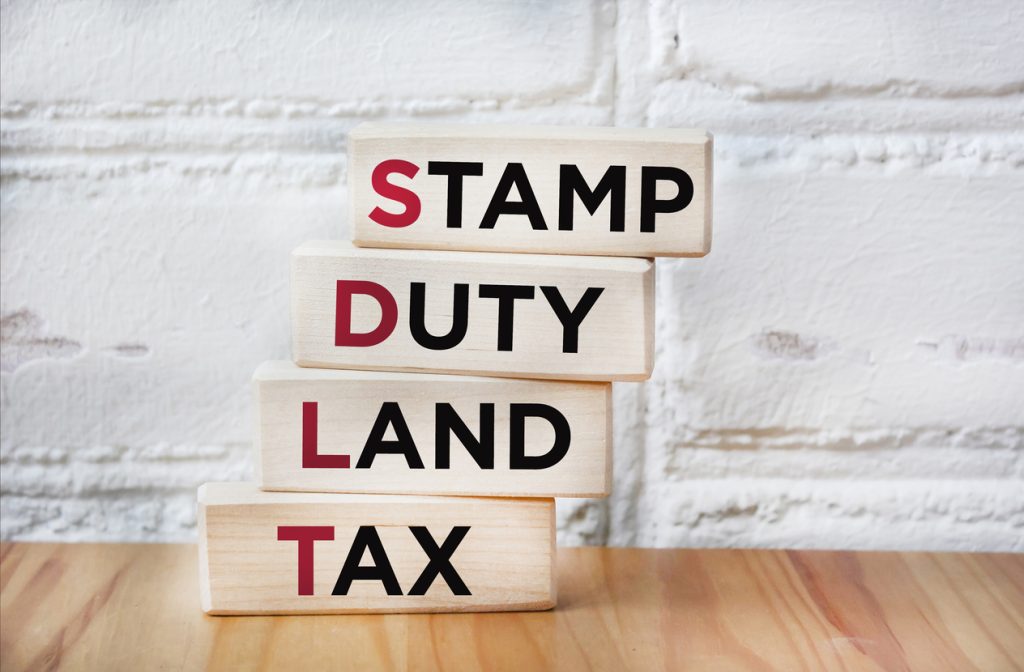
Stamp Duty, or Stamp Duty Land Tax (SDLT) is a government tax you must pay to HM Revenue and Customs (HMRC) when buying a property in England and Northern Ireland. It is charged on both new build homes and pre-owned properties, and the amount you pay is based on different Stamp Duty bands.
The tax is different if the property or land is in Scotland where it is referred to as the Land and Buildings Transaction Tax (LBTT) and Wales where it’s called the Land Transaction Tax (LTT).
Who pays Stamp Duty?
You pay Stamp Duty tax when you buy a freehold property, buy a new or existing leasehold, buy a property through a shared ownership scheme or are transferred land or property in exchange for payment, for example you take on a mortgage or buy a share in a house.
Everyone is liable for this tax if the property price exceeds the Stamp Duty threshold, whether you’re a first-time buyer, home mover or purchasing a second home. We go into more detail on Stamp Duty thresholds below.
When does Stamp Duty apply?
The list below shows the current Stamp Duty thresholds for residential properties.
Stamp Duty starts to apply when you buy a property that is equal to or more than:
- £125,000 for residential properties
- £300,000 for first time buyers buying a residential property worth £500,000 or less
- £150,000 for non-residential land and properties
To stay up to date with any future changes to the UK Stamp Duty changes visit the UK government website.
How much Stamp Duty will I pay?
In England and Northern Ireland, there are several bands for Stamp Duty rates. If you’re buying a residential property, how much Stamp Duty you pay depends on the price of the property, whether you’re a first-time buyer, you already own a property or you’re buying an additional property.
The table below shows the current Stamp Duty rates.
Stamp Duty rates
- £0-£125,000 (£300,000 for most first-time buyers) = 0%
- £125,001-£250,000 = 2%
- £250,001-£925,000 = 5%
- £925,001-£1.5m = 10%
- £1.5m+ = 12%
Example:
From April 2025, you buy a house for £295,000. The Stamp Duty you owe will be calculated as follows:
- 0% on the first £125,000 = £0
- 2% on the second £125,000 = £2,500
- 5% on the final £45,000 = £2,250
- total SDLT = £4,750 (UK)
Your conveyancer will use the current Stamp Duty rates to determine the total Stamp Duty you owe, ensuring that all calculations are accurate and compliant with the law.
When do you pay Stamp Duty on new builds?
If you’re buying a new build home, the rules for Stamp Duty costs are the same for existing properties. You have 14 days after you complete on the purchase of a property to file a return to HMRC and pay any Stamp Duty that is due.
Typically, your solicitor or conveyancer will calculate and pay your Stamp Duty fees for you. They will submit your return and pay the Stamp Duty on completion day, having collected the money from you in advance, so you don’t have to worry too much about the process.
Failure to pay Stamp Duty fees can result in penalties and interest charges, so it’s important to budget for this cost alongside your other property expenses.
Genesis Homes new build properties
At Genesis Homes, we’re here to support you every step of the way in securing your dream new home. We have a stunning range of 2, 3, 4 and 5 bed new build houses and bungalows at our perfectly located developments, offering you modern, energy efficient living in idyllic surroundings. Whether you’re a first-time buyer, need a home with more space or are looking at downsizing, we have a range of services to help you make the move as smooth as possible.