

As autumn and winter are approaching, a lot of people are thinking about how to keep home running costs low. But energy efficiency is beneficial all year round. Not only does it keep your bills under control, it’s also better for the environment.
New build homes are far more economical than older houses, with the latest energy technology often included as standard. They’re usually cheaper to run than existing ones, but it’s always a good idea to be aware of your household bills and ways of keeping your costs as low as possible.
In this article, we explore four practical ways to save on energy, make the most of smart technology, and outline the energy benefits of new build homes to lower costs and improve efficiency.
At a glance …
- Small daily changes make a big difference – reducing energy consumption, sealing draughts, and using water-saving fixtures can significantly cut your energy bills and lower your household’s carbon footprint.
- Smart technology can reduce costs automatically – smart meters, thermostats, plugs, and lighting help monitor and reduce energy use without you having to manually keep on top of things.
- Optimise subscriptions to only pay for what you need – regularly review your energy, broadband, insurance, and other recurring services to avoid overpaying.
- Newer homes are more energy-efficient – modern builds often feature better insulation, energy-efficient heating systems, and lower running costs from day one.
1. Reduce Home Energy Consumption
Every home uses energy to operate, from electricity and heating to gas and water. The more energy your home uses, the higher your costs will be.
Research from The Office of National Statistics found that 44% of adults use less gas and electricity because of the rising cost of living. Another study found that 57% of people said their cost of living increased because of gas or electricity bills.
So how do you combat the rising cost of running a home and lower your energy consumption?
Here are some of the ways to reduce energy costs:
- Unplug devices when not in use. Turn off inactive devices that drain power when left on standby to reduce energy consumption. This includes things like your internet router, television, microwave – anything that still uses power even when not in use. Studies show this small change can save you up to £147 per year.
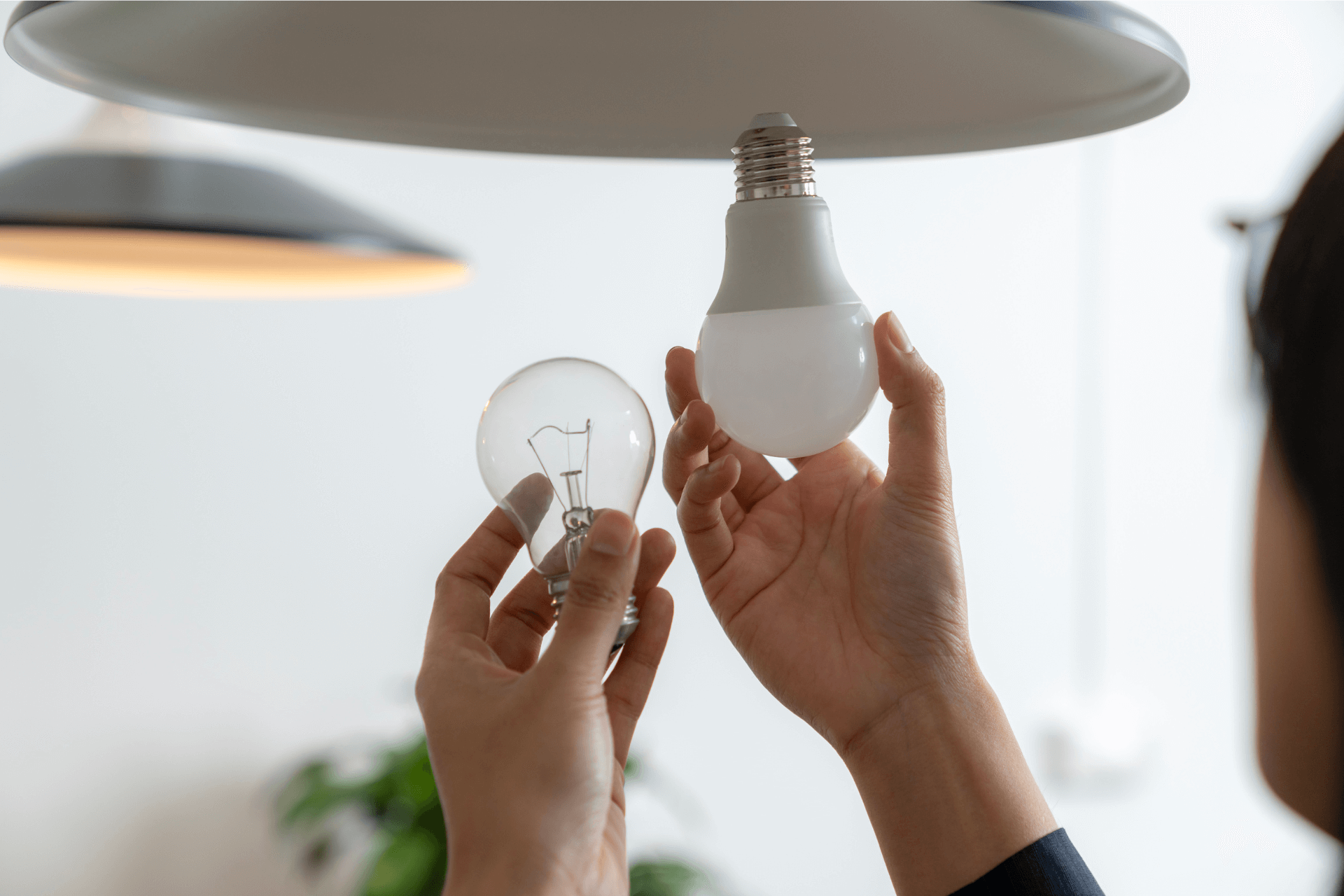
- Switch to energy-efficient appliances. Upgrade to energy-efficient products to use less energy. For example, using LED lights, which use 80% less electricity than halogen bulbs but are just as bright.
- Reduce water usage. Install water-saving fixtures like low-flow showerheads and dual-flush toilets to minimise water use. Small habits, like turning off taps while brushing your teeth or running dishwashers only when full, can add up to significant savings over time.
- Seal windows and doors. Use draught excluders, weather stripping, or sealant to prevent cold air from entering and warm air from escaping. Even small gaps can increase heating costs.
2. Use Smart Technology
Smart devices can help you monitor and reduce energy and water usage automatically, so it’s no surprise that 70% of respondents from this survey want to optimise energy usage with smart technology. 59% are also interested in using AI to improve their home’s energy efficiency.
Take a look at some of the smart devices that can help you manage home running costs:
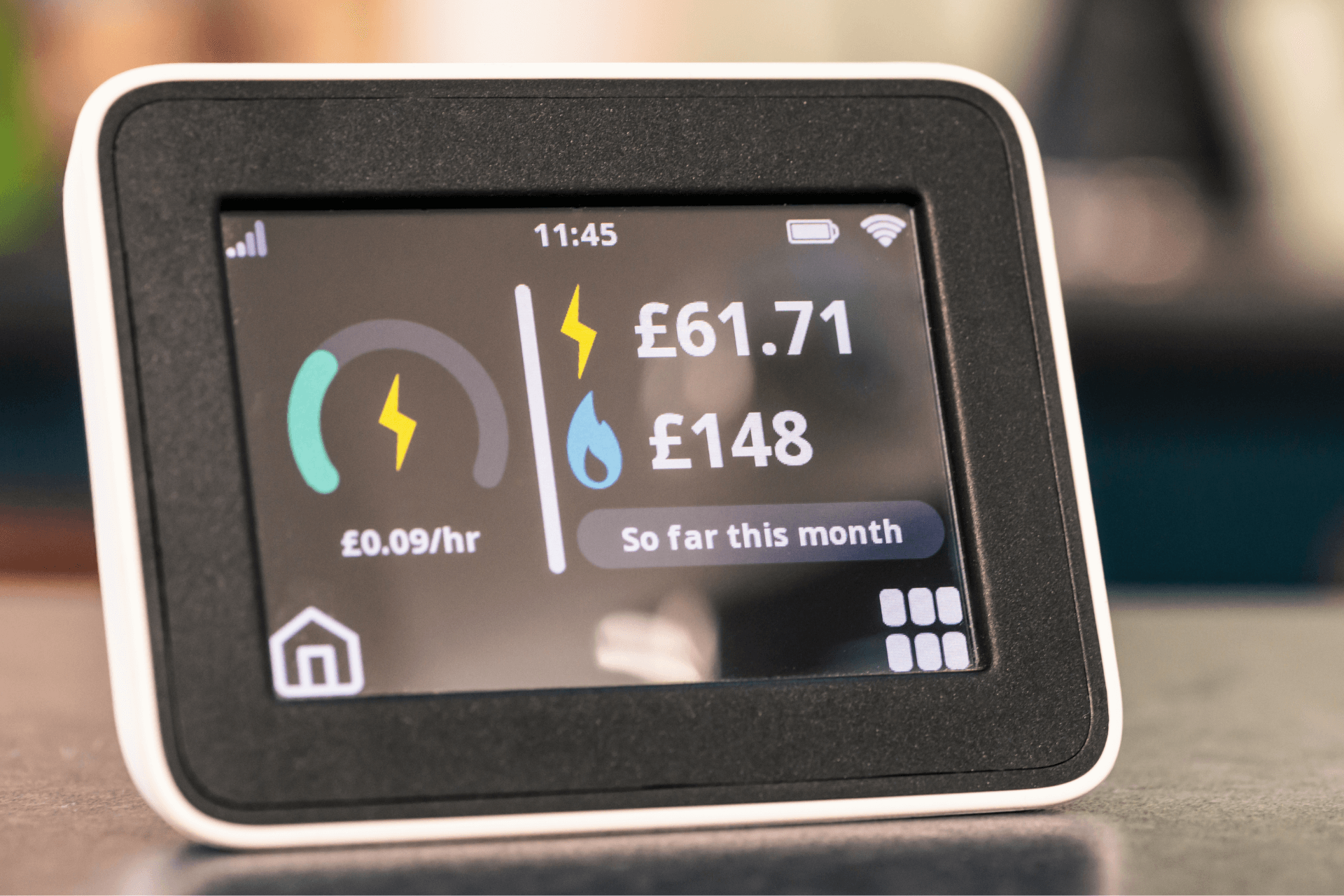
- Water and electric meters. Smart meters provide real-time insights into your energy and water consumption. They help you spot unusual spikes and make informed decisions about your energy usage.
- Smart thermostats. These learn your daily routine and adjust heating or cooling automatically, so you’re not paying to heat or cool an empty home. Some models allow remote control via an app, making it easy to manage your home’s temperature from anywhere.
- Smart plugs. These allow you to turn appliances off remotely or schedule them to run only when needed, reducing standby energy waste.
- Automated lighting. Motion-sensor or app-controlled lights ensure they’re only on when required, helping to cut electricity costs and prevent energy from being wasted.
3. Optimise Your Subscriptions
Subscription costs can quickly add up if you don’t keep on top of them regularly.
Imagine that your contents insurance automatically renews without a review. You haven’t had the chance to check other options, the price goes up, meaning you could be paying more than necessary.
You might also be covering items you no longer need, like extra gadgets or optional add-ons.
These small oversights can quietly inflate your bills. With a few simple checks, you can easily bring costs back under control:
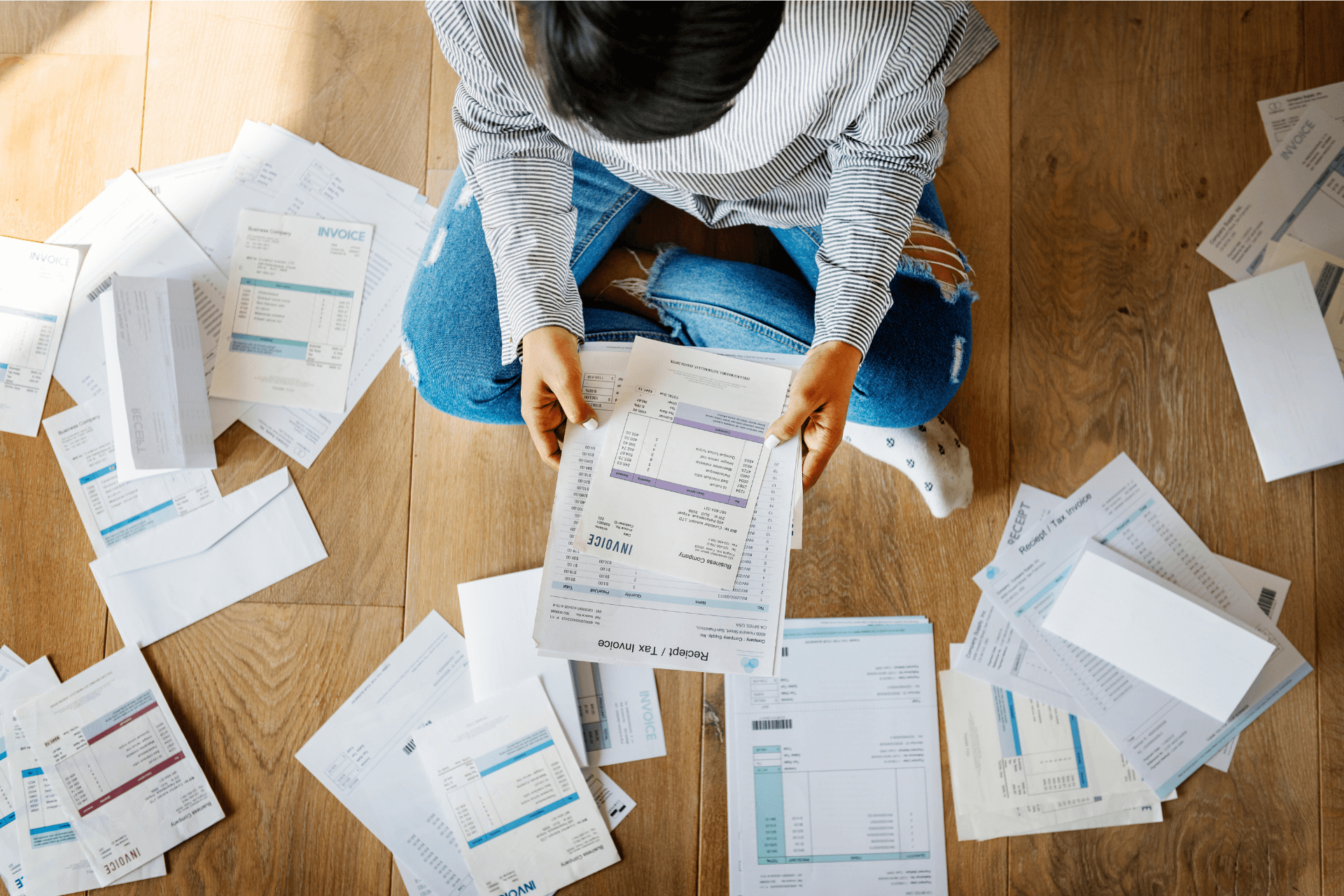
- Audit your existing subscriptions. Go through your bank statements or use an app to identify recurring charges. Cancel anything you no longer use or downgrade to cheaper tiers if you don’t need all the features.
- Compare providers. Shop around for better deals on energy, broadband, mobile, or insurance. Switching can often save you a significant amount each year. And even if you’re locked into subscriptions for a certain timeframe, checking for cheaper tariffs when your contract ends can lead to savings.
- Review subscriptions regularly. Regular reviews stop small monthly payments from building into a large, unnecessary expense. Set a recurring reminder to go back to your subscriptions and check if there are cheaper options on the market.
4. Explore the Energy Benefits of New Build Homes
One of the great things about buying a new build is that they’re more economical to run than an older property. Research shows that 57% of homebuyers want a new build as they ‘are more likely to be energy efficient’.
New homes in England and Wales also had a median EPC score of 84 (band B) between 2019 and 2024. Between 2008 and 2013, the score was 82, suggesting that newer homes are more energy-efficient.
An improvement from 82 to 84 may look small, but across millions of homes it reflects better insulation, modern heating systems, and more energy-efficient building standards – all of which reduce energy costs.
New homes also have to follow specific requirements to meet energy efficiency standards.
The Future Homes and Buildings Standards is one example, which focuses on improving heating and hot water systems and reducing heat waste. The aim is to lower carbon emissions from the residential building sector by 75%-80%.
Genesis new build homes are designed to meet and often exceed these standards, incorporating features that make it easier to reduce energy consumption and lower costs.
Take a look at some of these features:
- Double-glazed windows. All Genesis homes feature double-glazed windows, which help retain heat in winter and keep interiors cooler in summer. This reduces the need for constant heating or cooling, lowering energy bills throughout the year.
- Modern energy-efficient appliances. Genesis homes are fitted with energy-efficient appliances, from fridges and washing machines to ovens and dishwashers. These high-performance appliances consume less electricity while providing reliable functionality, cutting energy use without compromising convenience.
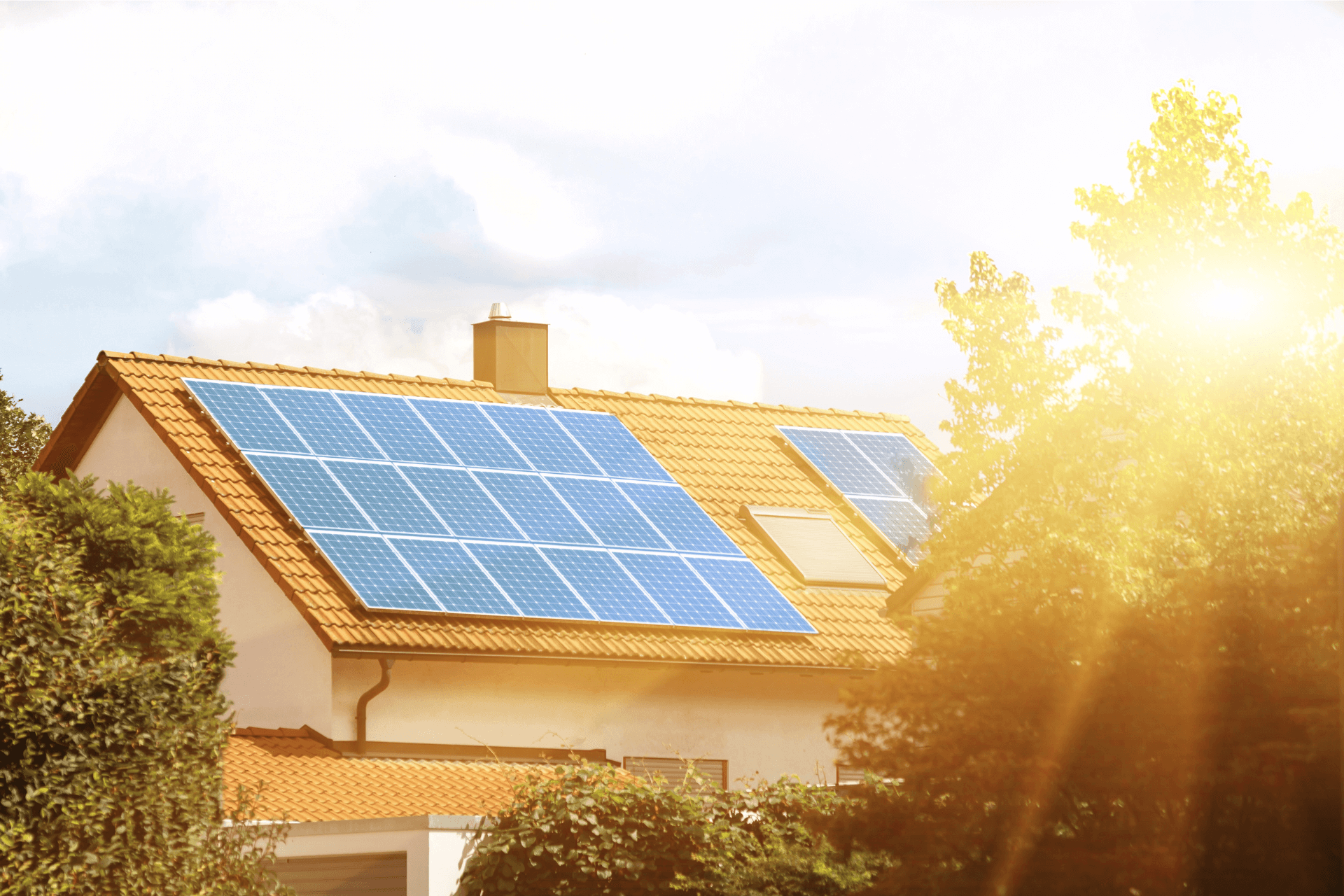
- Integrated solar power options. Many Genesis homes include the option to integrate solar panels, enabling homeowners to generate their own electricity. This reduces reliance on the grid and can cut annual bills by hundreds.
- Upgraded insulation. Improving loft, wall, and floor insulation prevents heat loss, reducing your electricity and heating bills. Research shows that you could save up to £390 a year by insulating an uninsulated loft of a detached home with 270mm of insulation.
Track Your Spending: Free Home Running Cost Calculator Template
Use this cost of running a house calculator to log your bills, compare budget vs. actual spend, and spot areas to save:

Take Control of your Home Running Costs
If you’re looking for a home that already supports energy efficiency, Genesis Homes are designed with running costs in mind. From smart meters and efficient boilers to dual-flush toilets and double-glazed windows, every home is built to save energy, reduce bills, and live more sustainably.
Take a look at some of our latest developments to find an energy-efficient home in one of our carefully selected locations.