

The cost of moving house varies depending on your property, the services you need, and whether you’re buying, selling, or both.
But knowing what to expect can help you plan your budget and avoid any unexpected costs.
The good news is that you’ve come to the right place to find out how much it costs to move house! In this guide, we break down the main moving house costs, from stamp duty and solicitor fees to removal companies and surveys.
By the end, you’ll have a realistic idea of how much you’ll spend throughout the process.

Understanding key house moving costs
While the exact costs of moving house vary, most expenses fall into several key categories:
- Stamp duty. A government tax paid when buying a property above certain price thresholds.
- Solicitor/conveyancing fees. Legal costs for handling the property transaction, including searches, contracts, and transferring ownership.
- Estate agent fees. The costs paid to estate agents for listing and marketing your home (these fees typically only apply to buyers who are selling a property)
- Removal company. The fee for professional movers who transport your belongings from your old home to your new one.
- Surveys. The price you pay for inspections to check the condition of a property before buying.
- Mortgage fees. Charges associated with arranging a mortgage, including lender arrangement fees, valuation fees, and broker fees.
- Insurance. The cost of policies that protect your property and belongings, including buildings and contents insurance.
What is the average cost of moving house? A quick breakdown
Most homeowners spend around £8,000 to £15,000 when selling one property and buying another.
However, house moving costs in the UK vary depending on:
- The value of the property you’re buying. Costs such as stamp duty, conveyancing fees, and mortgage costs can change depending on property value.
- Whether you’re selling a property. Selling adds extra costs such as estate agent fees (which increase when you’re buying and selling a property), conveyancing fees for the sale, and potential mortgage exit charges.
- Your solicitor’s fees. Solicitor prices vary depending on the firm, the complexity of the transaction, and whether you’re buying, selling, or both.
- The type of survey you purchase. A basic valuation is cheaper, while a homebuyer report or full building survey costs more.
- Estate agent fees when selling your home. Real estate agents charge an average of 1.42% of the sale price, so the more expensive your home is, the higher the fee.
- Removal company and packing services. Costs increase depending on the size of your home, the distance of the move, and whether you pay for packing, furniture dismantling, or storage.
- Mortgage arrangement or broker fees. Using a broker to arrange your mortgage means paying a broker fee, which is typically around around £500 and no more than 1% of the mortgage value.
- Whether you buy a new-build home. Costs can be lower because you often don’t need a full structural survey and may get developer incentives (we talk more about survey options later).
Understanding the stamp duty cost of moving house
Buyers pay stamp duty when purchasing a property. The amount you pay depends on the price of the property, whether you’re a first-time buyer, or if you qualify for any tax relief.
For example, you can claim relief if the property you buy is your first home. Here’s what you’ll pay:
- Nothing up to the property value of £300,000
- 5% from £300,001 to £500,000
Side note: If the price is over £500,000, you can’t claim the relief.
For buyers that aren’t buying their first home, here are the current stamp duty thresholds:
- Pay 0% up to £125,000
- Pay 2% from £125,001 to £250,000
- Pay 5% from £250,001 to £925,000
- Pay 10% from £925,001 to £1.5 million
- Pay 12% upwards of £1.5 million
Example: With these thresholds in mind, if you buy a house for £295,000, you’ll owe the following stamp duty:
- 0% on the first £125,000 = £0
- 2% on the second £125,000 = £2,500
- 5% on the final £45,000 = £2,250
- Total stamp duty = £4,750
The thresholds are slightly different if you’re buying an additional residential property, getting a buy-to-let mortgage, or purchasing a leasehold. You can read a full breakdown of stamp duty costs on the UK government website.
Side note: Genesis Homes can help reduce your moving costs by contributing up to £10,000 towards your Stamp Duty Land Tax on selected plots at participating developments! This support can significantly lower your upfront expenses, making it easier to move into your new home with greater financial flexibility. Talk to our sales team for the most up-to-date information.
How do solicitors’ fees contribute to house moving costs?

When buying a house, conveyancing legal fees (the fees you pay to your solicitor) typically range from £300 to £1,500. Prices vary depending on the property’s value.
Higher-value properties usually involve more complex checks, higher risk, and additional paperwork, which can increase the solicitor’s work and, therefore, their fees.
You’ll also need to cover disbursements, which can cost up to £700. These include:
- Local searches (£250–£450) so your conveyancing solicitor can check for any issues.
- Land Registry registration (£200–£300) to register the change of ownership.
If the property is leasehold, add roughly £300 to these costs.
Typical removal company costs when moving house
This research from Reallymoving.com estimates the average removal prices by size of the property:
- 1 bedroom house – £432
- 2 bedroom house – £603
- 3 bedroom house – £867
- 4 bedroom house – £1,196
- 5 bedroom house – £1,590
The cost of your move also depends on the distance you’re moving, as well as any additional services (such as disassembling and reassembling furniture or packing items for moving).
The further you need to travel and the more support you need, the higher the price will be.
What is the average cost of a survey when buying a house?
House surveys help you understand the condition of the property and uncover any potential issues. The cost and depth of the survey varies depending on the type of property and the level of detail you need.
Here’s a breakdown of the three main survey options and how much they cost:
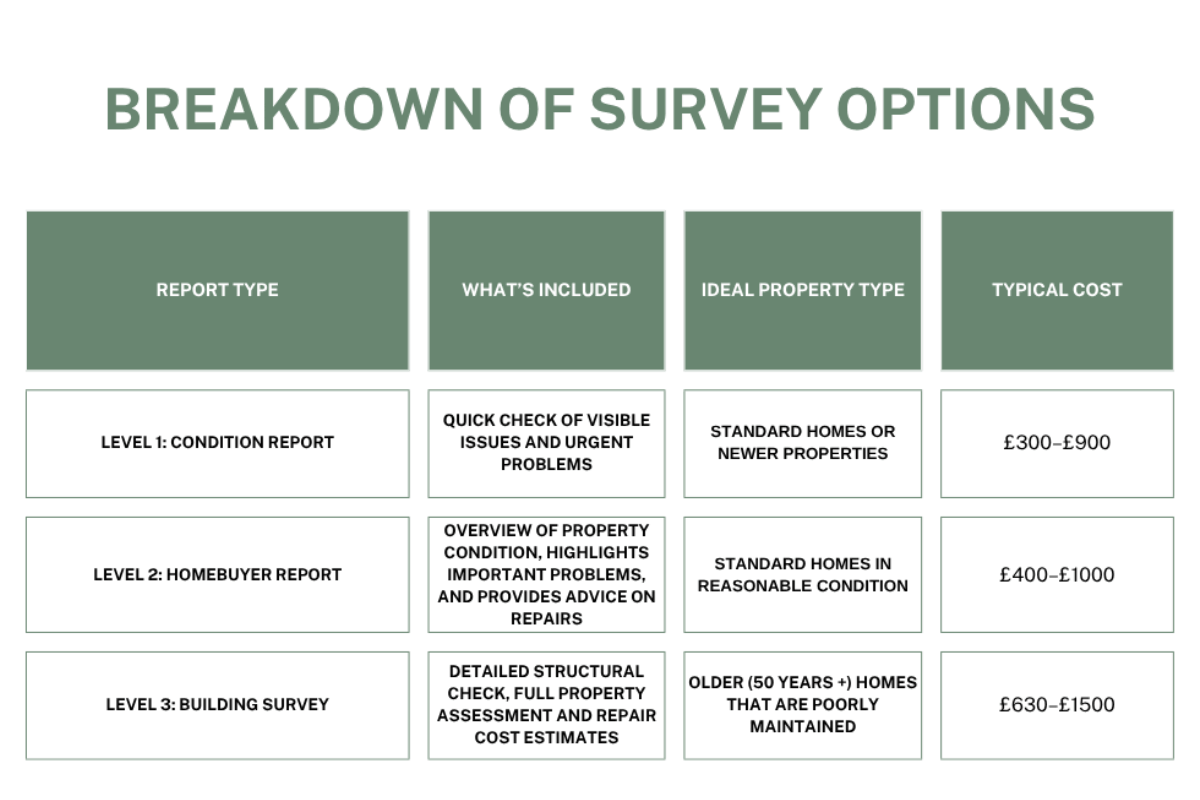
Side note: New build buyers may want to buy a snagging survey, which can identify problems ranging from small, cosmetic issues to significant, structural problems.
Reputable developers (like Genesis Homes) work with skilled contractors and perform rigorous inspections throughout the build. These high standards can reduce the need for a snagging survey, giving buyers greater confidence that their new home is finished to a strong standard.
“The houses are well designed and they look much better than many other new properties on the market. The rooms are a reasonable size, and the layout is well thought out. The finish quality is also good – better than in some other companies’ new builds, according to my visitors.” – Chris Nihill, Genesis Homes customer.
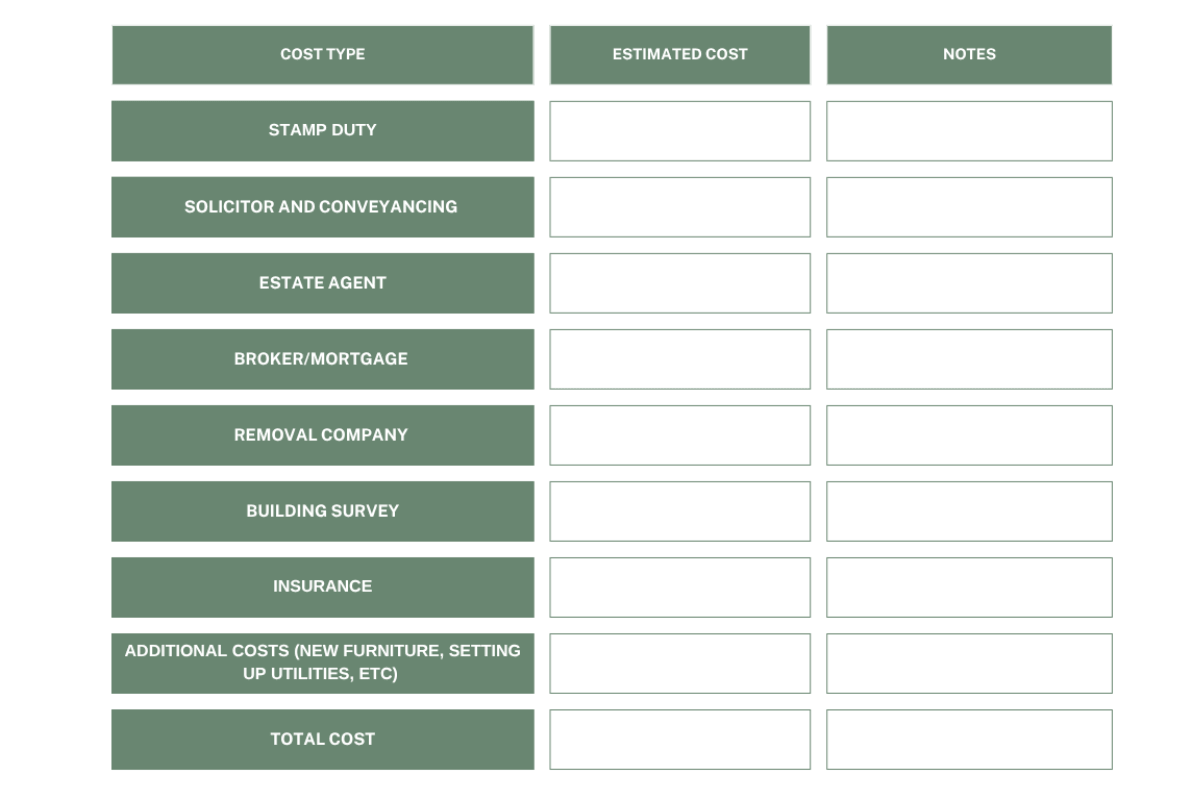
Moving house cost calculator example
Use this moving house cost calculator example to estimate how much you’ll spend when buying a property:
FAQs about the cost of moving house

What is the average cost of moving house?
The average cost of moving in 2026 is £13,018 when buying and selling a home at the average UK property price of £292,000.
Stamp duty often represents the largest portion of total costs, meaning that more expensive properties often have higher moving costs.
Are there any hidden costs of moving house?
Yes! Here are some of the typical hidden costs of moving house that many buyers forget or simply don’t know about:
- Mail redirection. You can pay Royal Mail (or other mail providers) to forward your post from your old address to your new one. This usually costs around £30–£50 for 12 months.
- Cleaning. Many buyers pay for end-of-tenancy or professional cleaning for their old home, or a deep clean for their new property. Costs can range from £100 to £400, depending on property size.
- Utility setup. Setting up electricity, gas, water, internet, and TV services may involve connection or activation fees, which typically cost around £50–£150.
- Temporary storage. If there’s a delay between moving out and moving in, you might need short-term storage for furniture or boxes. Prices vary but usually start around £50–£100 per week for a small unit.
Move into your dream home with Genesis Homes
Moving into a new-build home can make your move simpler and more cost-effective.
Because these homes are built to modern standards, you’ll spend less on surveys, repairs, and ongoing maintenance. Plus, energy-efficient designs and modern layouts help reduce running costs, so your home is cheaper to live in long-term.
Genesis also offers a helpful scheme called Help to Move, designed to support you if you’re buying a Genesis home but haven’t yet sold your current property. Under this scheme, we work with estate agents to organise property valuations, market your home, and manage the sale process. And we keep you informed every step of the way so you don’t feel stuck between moves.
Take a look at our latest developments to find your ideal new home today!