
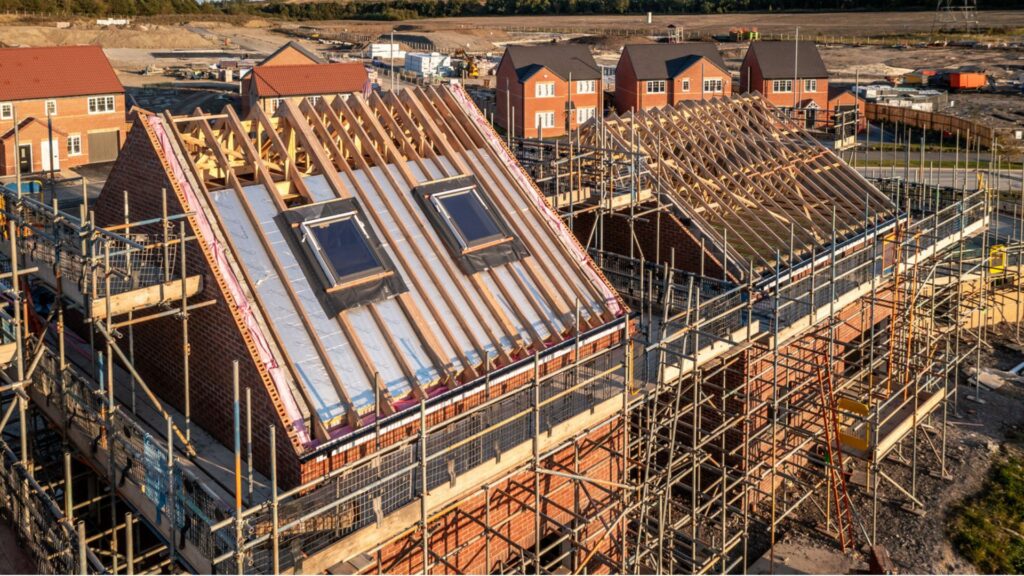
Choosing a home involves more than location and style – the way it’s built can make a real difference to comfort, efficiency, and longevity.
Timber frame and traditional build homes each have their own advantages, from energy efficiency and sustainability to design flexibility and resale value. Understanding how they differ can help you make an informed buying choice that suits your lifestyle and future plans.
But how do you know which type of house build to choose?
Let’s find out. Keep reading to see how timber frame and traditional homes compare and which could suit your lifestyle best.
Table of contents
- What is a timber frame house?
- What is a traditional build house?
- What are the key differences between traditional build vs timber framed housing?
- FAQs about timber frame houses
- FAQs about traditional build homes
- Choose your ideal property with Genesis Homes
What is a timber frame house?
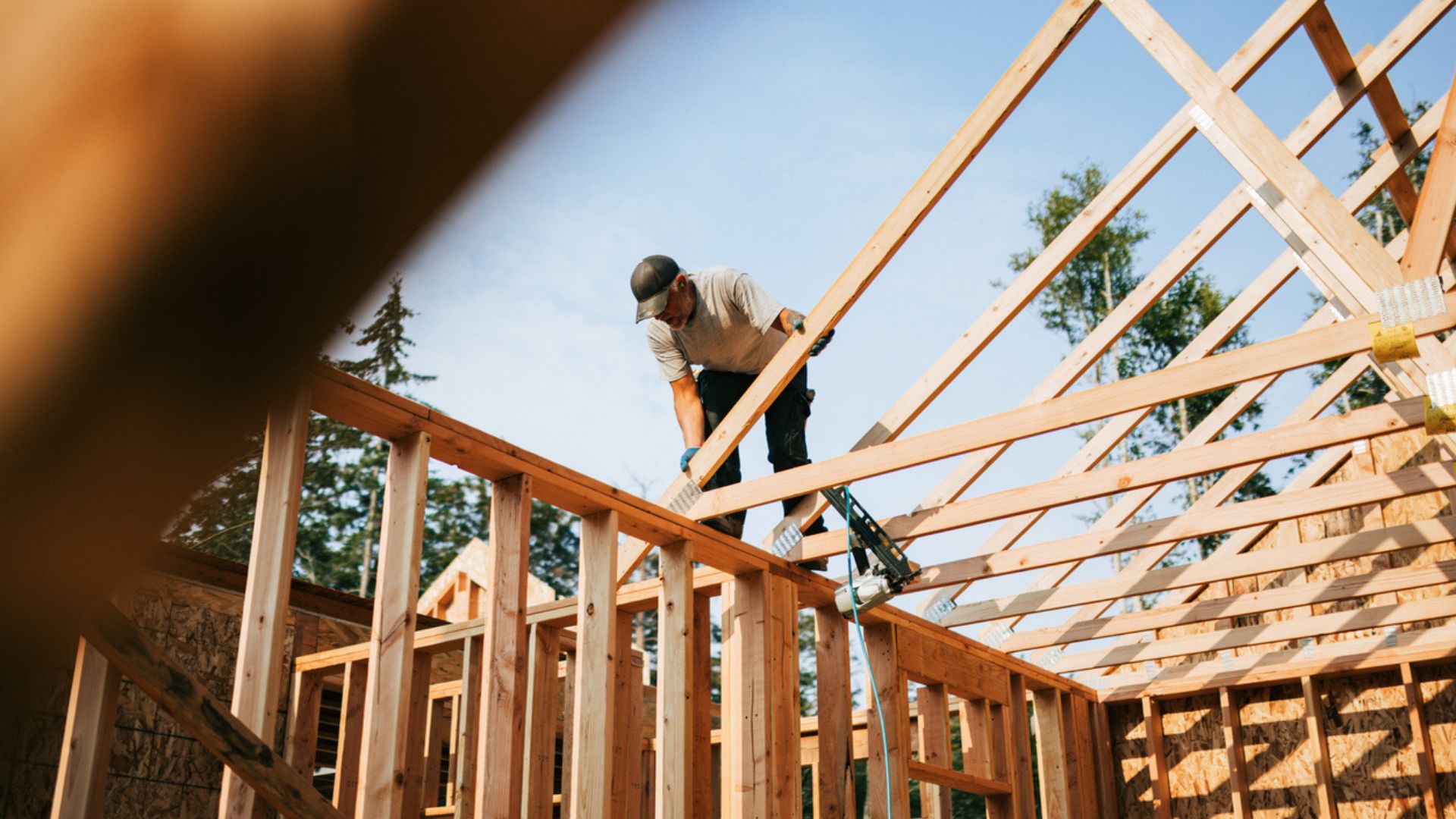
A timber frame house is built using a structural frame made from engineered wood. The main load-bearing elements are large timber beams and studs that form the skeleton of the home. These components are usually manufactured off-site in controlled factory conditions, which means they are precise, consistent, and quick to assemble once they arrive on site.
Because the structural frame carries most of the load, a modern timber frame house can support open-plan layouts, large windows, and creative architectural features. Cladding (such as brick, render, or timber boards) is then added to the outside, so the finished home looks just like any other modern property.
What is a traditional build house?
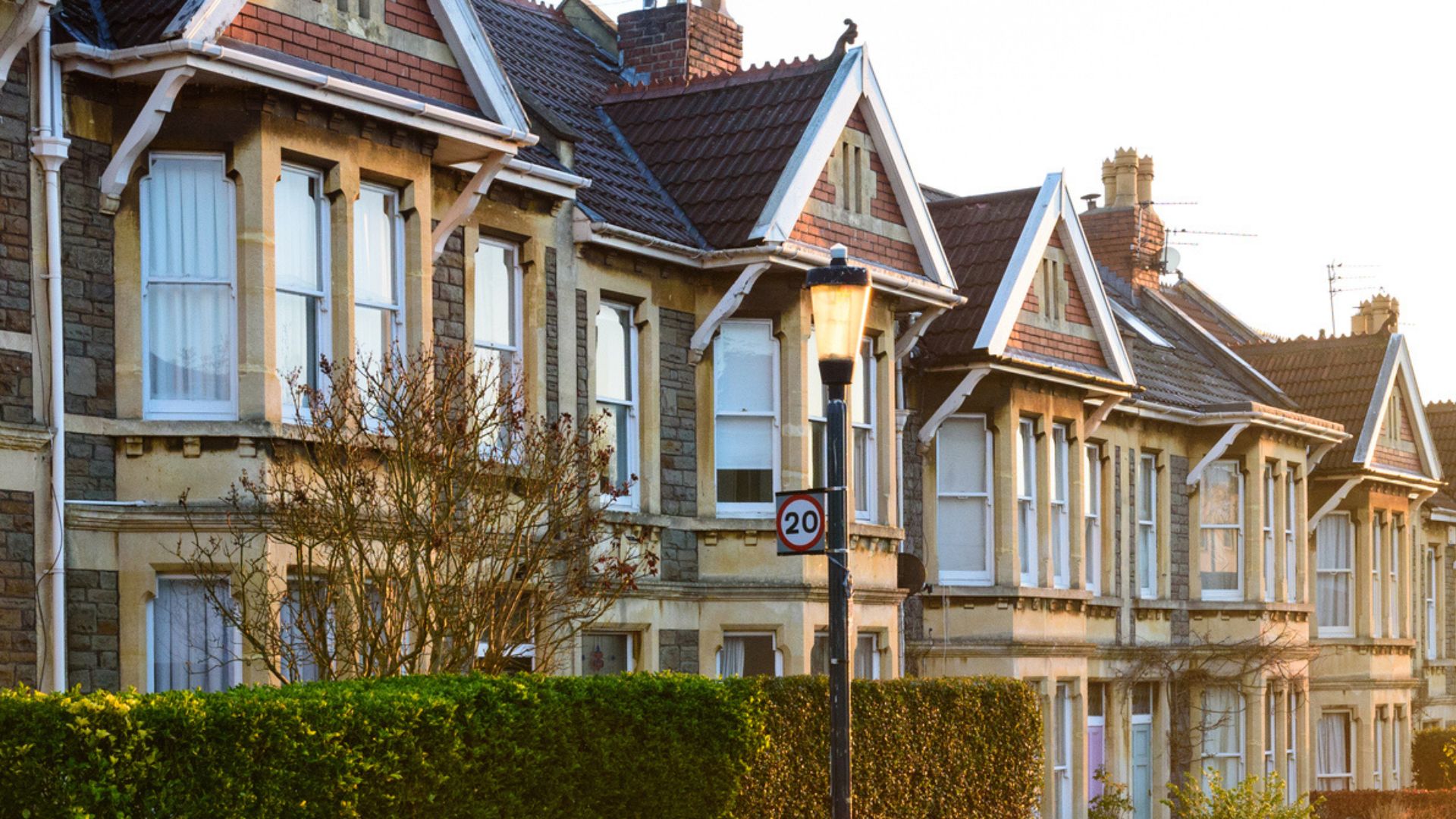
A traditional build house is typically constructed using bricks and concrete blocks, often referred to as brick-and-block construction. The walls themselves carry the structural load of the home, which means the building is assembled layer by layer on site.
New build traditional houses take more time to complete because each stage must be completed manually. For example, bricklaying, applying mortar, and allowing materials to set. Although the structure is made from masonry, the home can still be finished in a variety of styles, from modern urban designs to classic family homes.
This method has been used for decades and is widely recognised for its strength and long-term durability.
What are the key differences between traditional build vs timber frame housing?
Timber frame and traditional house builds each have pros and cons – from cost and energy efficiency to design and resale value.
Here’s a simple breakdown to help you see what works best for you.
Sustainability
Timber frame homes are typically more sustainable than traditional builds because the primary material (wood) is renewable and stores carbon throughout its life. Storing carbon keeps CO₂ out of the atmosphere, reducing greenhouse gases in the environment.
The manufacturing process for timber components also requires less energy than producing bricks, blocks, or concrete, which means fewer emissions overall. Plus, timber frames generate less waste as components are made to precise measurements.
Traditional construction relies heavily on materials like concrete and brick, which have higher embodied carbon and use more energy to produce. While traditional homes can still be built sustainably using recycled materials and sourcing low-carbon products, they generally start with a larger carbon footprint.
To sum it up: A timber house frame is generally more eco-friendly than a traditional build. However, it depends on the quality of materials, construction methods, and ongoing timber frame house maintenance.
Find out how Genesis Homes is leading the way in sustainable housing!
Price
Timber frame homes can offer cost advantages, especially when it comes to build time and labour. Because much of the structure is pre-fabricated, the frame can go up quickly. This speed of installation reduces on-site labour costs and limits delays caused by external factors like weather.
Traditional builds often involve longer construction timelines, more on-site labour, and additional materials, all of which can increase the overall cost. However, prices vary depending on local suppliers, design complexity, and the availability of skilled trades.
To sum it up: Timber frame builds often reduce labour and time-related costs, while traditional builds can be more expensive due to longer construction periods.
Energy efficiency
Timber frame homes are known for strong energy performance. Insulation fits tightly and precisely around the frame, reducing cold spots and helping the home retain heat more effectively.
This efficiency often leads to lower energy bills and a more comfortable indoor environment.
Traditional builds can also achieve high energy efficiency, but may require thicker walls, additional insulation layers, and extra detailing to reach the same standards. The quality of workmanship plays a larger role in achieving consistent thermal performance.
To sum it up: Timber frame homes typically offer excellent insulation and energy efficiency, while traditional builds may require more attention to achieve similar results.
Durability and longevity
Traditional homes have been the standard for decades, which gives many buyers confidence in their durability. They’re highly resistant to fire, weathering, and tend to require minimal structural maintenance over time.
Timber frame homes are also long-lasting when designed and built correctly. Today’s systems are engineered to handle moisture, settle naturally, and remain structurally sound for decades.
To sum it up: Both types of homes are durable, but traditional builds have a long-established track record.
Design flexibility
Timber frames offer excellent design flexibility because the structural load is often carried by the external walls and key structural beams. This framework allows for more open-plan layouts and easier incorporation of large windows or double-height spaces.
Traditional builds can also accommodate a variety of designs, but often require more internal load-bearing walls. These walls can limit how open the floor plan can be without additional support.
To sum it up: Timber frames allow for open, modern layouts, while traditional builds can be slightly more restrictive due to structural requirements.
Soundproofing
Traditional construction naturally provides strong sound insulation due to the density and mass of the materials. This solidity makes it effective at blocking noise between rooms and from outside.
Timber frame homes can achieve high levels of soundproofing, but may require additional acoustic insulation, sound-blocking layers, or specialist boards.
At Genesis Homes, we design all our properties with acoustic comfort in mind. We incorporate high-performance insulation and carefully engineered wall and floor build-ups to ensure exceptional sound control throughout the home.
To sum it up: Traditional builds provide good natural soundproofing, while timber frames can match it with extra acoustic measures.
Construction speed 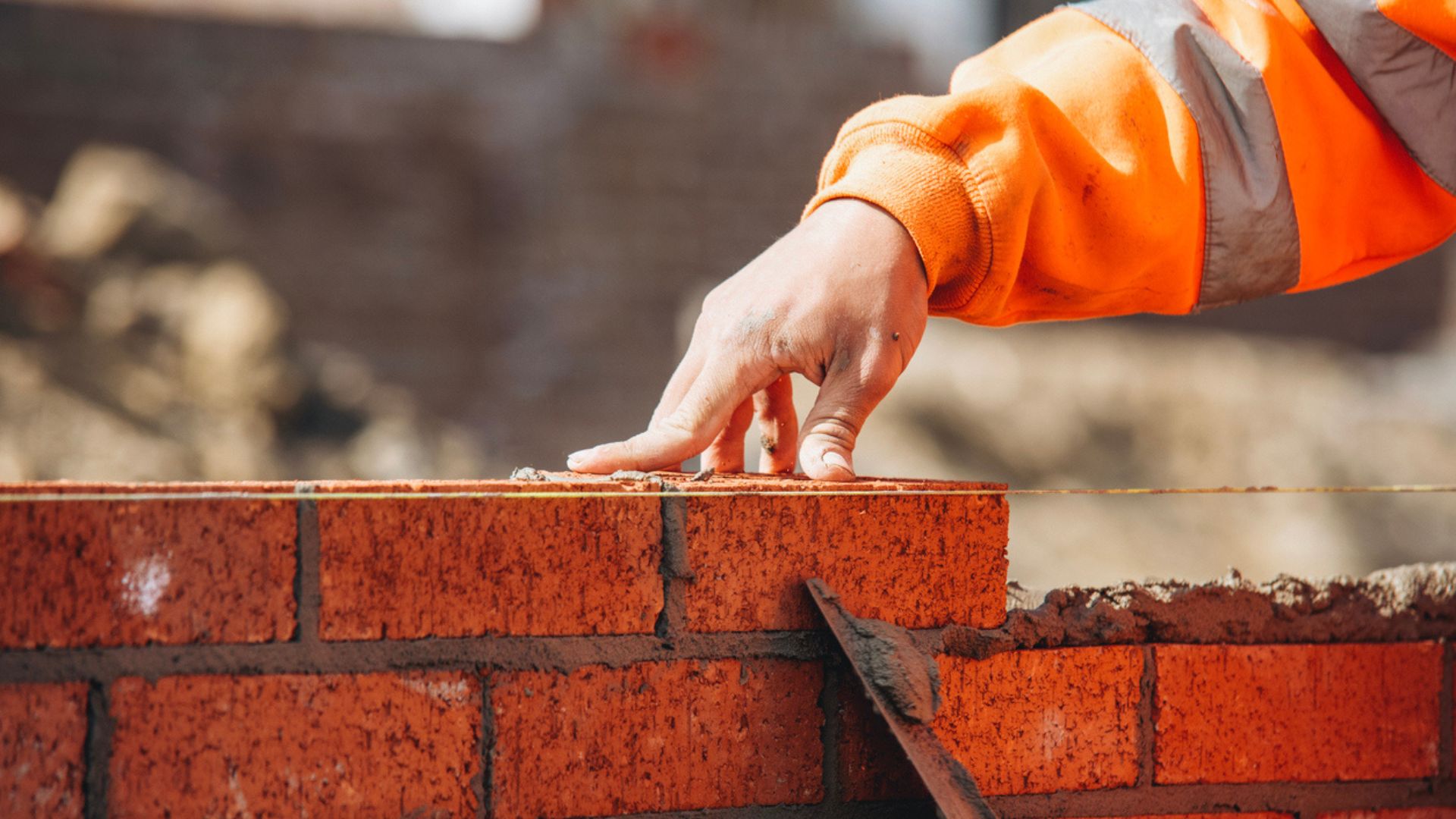
One of the key benefits of timber frame homes is the speed at which they’re built. The construction of timber frame houses involves prefabricating large sections off-site. The frame then arrives ready to assemble and can often be erected in a matter of days.
This efficiency allows other stages of the build (such as roofing and internal work like electrics and plumbing) to begin sooner.
Construction of traditional style new build houses is generally slower because contractors must complete each stage on site. Bricklaying, curing times for concrete, and weather delays can all prolong the schedule. This stage-by-stage process makes traditional projects more predictable in some ways but less efficient overall.
To sum it up: Timber frame homes can be built much faster, while traditional builds take longer and are more dependent on on-site work.
FAQs about timber frame houses
What are the disadvantages of timber frame construction?
Timber frame homes can require careful moisture management to prevent damp. They may also need additional soundproofing and insulation in some cases, which is why we build our timber-framed homes to the highest specifications. We use premium materials and proven construction methods to ensure long-term performance.
With proper planning and installation, timber frame homes can be highly durable and long-lasting. Effective design, high-quality materials, and regular maintenance will maximise longevity.
Are timber-framed houses harder to insure?
Not usually. Most coverage providers offer home insurance for timber frame houses, but premiums may be slightly higher compared to traditional brick-and-block houses, depending on factors like the home’s age, construction quality, and fire safety features.
Good news! Every Genesis Home comes with a 2-year home warranty, as well as a 10-year warranty supplied by the LABC, giving you peace of mind.
Are timber frame houses harder to sell?
Timber frame homes generally sell as easily as traditional homes, but some buyers may be less familiar with the construction method. Highlighting benefits such as energy efficiency, sustainability, and modern design can help attract buyers.
Can a timber framed house have cavity wall insulation?
Yes, timber frame house insulation includes cavity walls. Many modern timber frames are designed with a cavity or service gap that allows insulation to be added, improving thermal performance and energy efficiency. Proper installation is important to prevent moisture issues and ensure the insulation works effectively.
FAQs about traditional build homes
What are the disadvantages of traditional construction?
Traditional brick-and-block homes can take longer to build and may involve higher labour costs. They are less flexible for open-plan layouts and modern design features, and the materials used have a higher environmental footprint.
What are the features of traditional houses?
Traditional homes often have solid walls, strong natural soundproofing, and classic design elements like brick facades, pitched roofs, and sash windows. They’re known for durability and a familiar aesthetic that appeals to many buyers.
How long will a traditional home last?
With proper maintenance, traditional brick-and-block homes can last for many decades – often over 100 years (so long as they’re well-built and taken care of). Their long track record makes them a reliable choice for buyers concerned with longevity.
How good is sound proofing in traditional build houses?
Traditional brick-and-block homes naturally provide strong soundproofing thanks to the weight and solidity of the materials. They’re generally effective at blocking noise between rooms and from outside without requiring extra insulation or acoustic treatments.
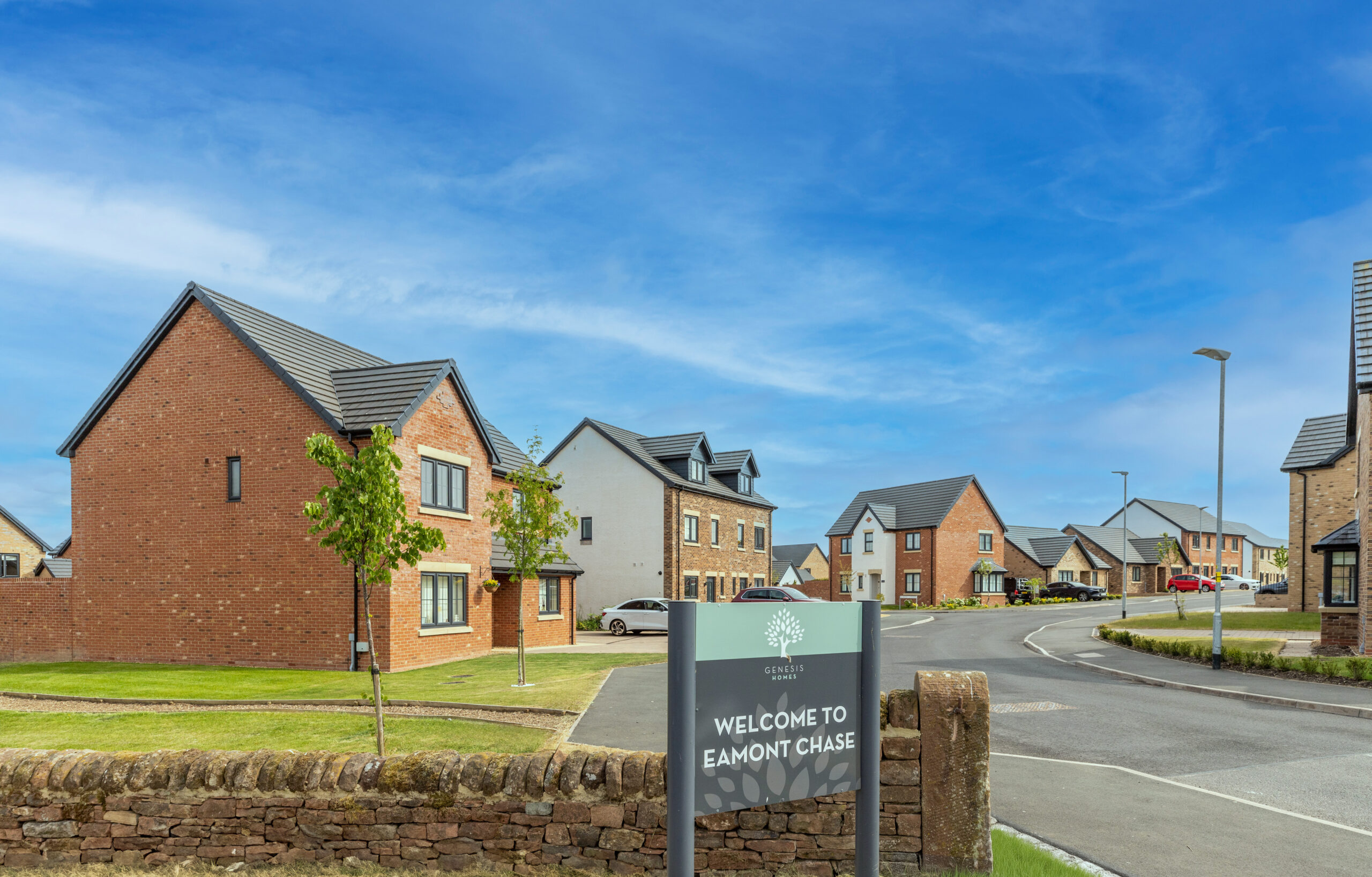
Choose your ideal property with Genesis Homes
Both timber frame and traditional builds offer strong benefits for homebuyers. Ultimately, the best choice depends on your priorities, budget, and the type of home experience you want.
If you want to discuss your home-buying needs, get in touch with Genesis Homes. We design and build high-quality timber frame homes, combining modern energy-efficient construction with stylish, flexible layouts.
Our new build homes are designed with energy efficiency in mind, featuring low CO₂ emissions, double-glazed windows and doors, efficient boilers, water-saving systems, and quality insulation. These features help reduce running costs, making new homes greener and more economical compared to older properties.
Let our team guide you through choosing a home that suits your lifestyle, budget, and long-term goals. Talk to the team today or take a look at our latest developments!