
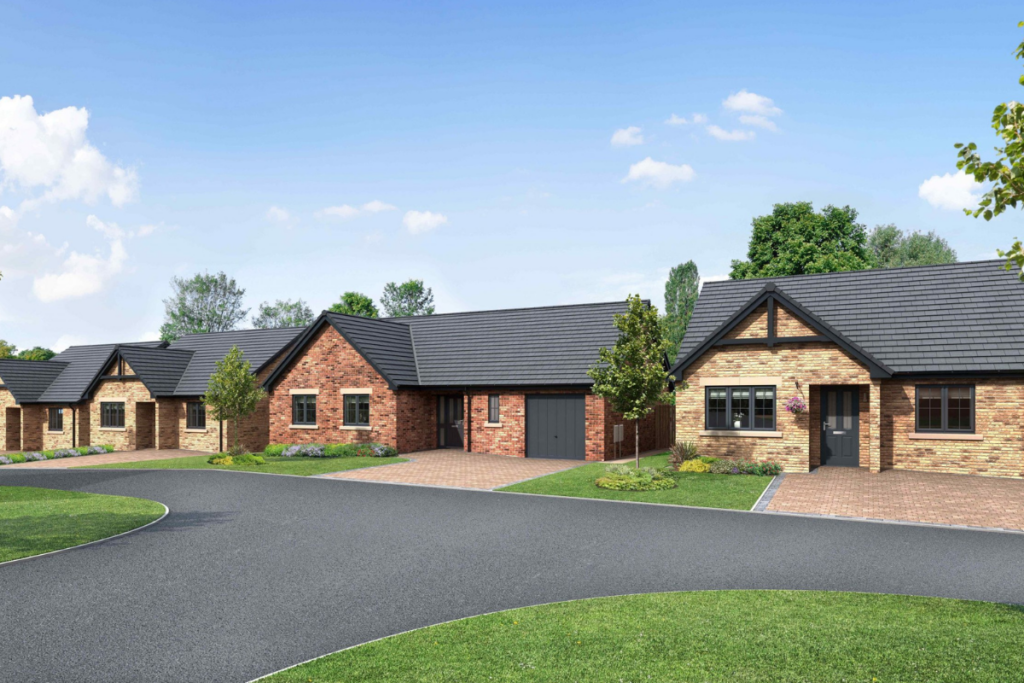
In the past, bungalows were associated primarily with retirement, but modern new build bungalows appeal to a much wider audience.
But exactly what defines a bungalow? And what makes them so desirable?
Below, we answer some of the most common questions buyers ask about new build bungalows, and explore:
- Why demand for bungalows is growing
- The benefits of single-storey living
- New build bungalows vs older bungalows
- Different bungalow styles
- Retirement and future-proof living
- Where to find new build bungalows in the North West
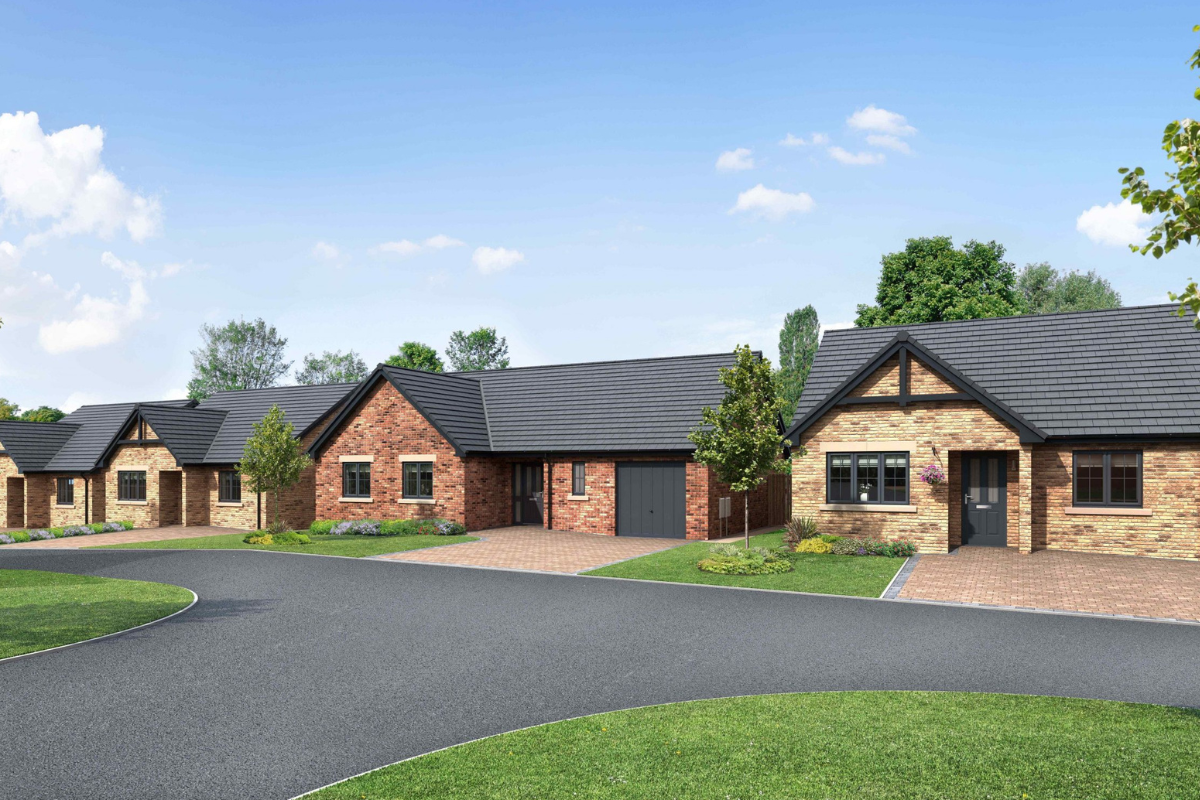
Why more home buyers want a new build bungalow
Today, the trend for new build bungalows is being driven by more than one type of buyer, rather than just retirees.
Let’s look at 5 of the top reasons why, in a bit more detail:
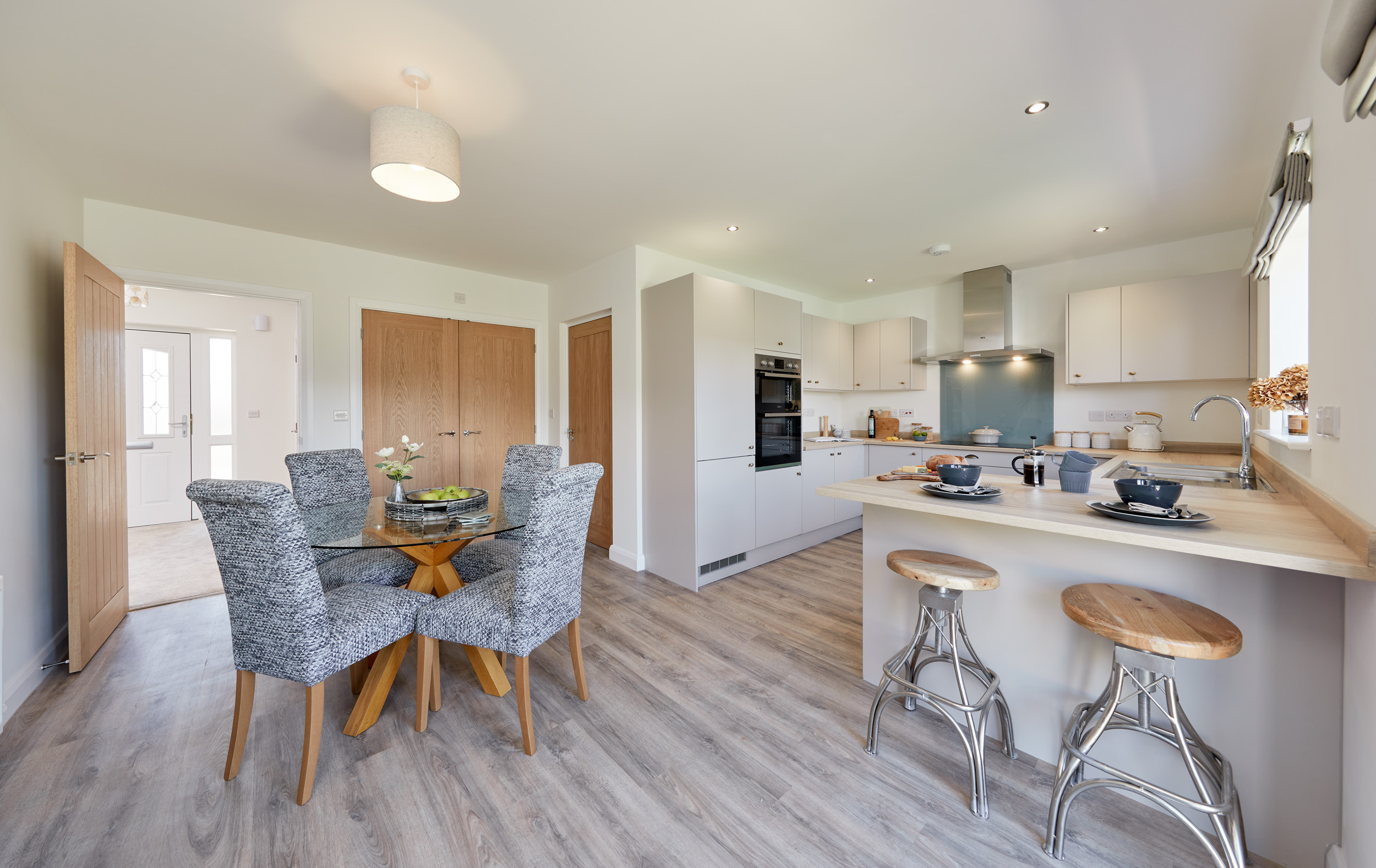
- Modern open-plan layouts. New build bungalows are designed around spacious kitchen, dining and living areas. They have bright, sociable spaces that suit contemporary lifestyles.
- Better connection to the outdoors. The large windows, patio doors and garden access from multiple rooms in a new build bungalow help create a stronger link between indoor and outdoor living.
- Low-maintenance living. New build bungalows are designed to modern standards. This reduces the need for ongoing repairs and the underlying worry associated with them. There is also the added reassurance of a structural warranty for peace of mind.
- Energy efficiency. With modern insulation, glazing and heating systems, new build bungalows offer lower running costs and greater year-round comfort than many older properties.
- Influence from modern lifestyle trends. Social media, property programmes and international design trends have introduced younger buyers to the popularity of single-storey living in countries such as the United States and Australia, where spacious bungalow-style homes are often seen as aspirational and lifestyle-focused.
From downsizers seeking simplicity to families wanting flexible layouts and young first-time buyers looking for a homestyle influenced by the media, demand is rising across multiple demographics.
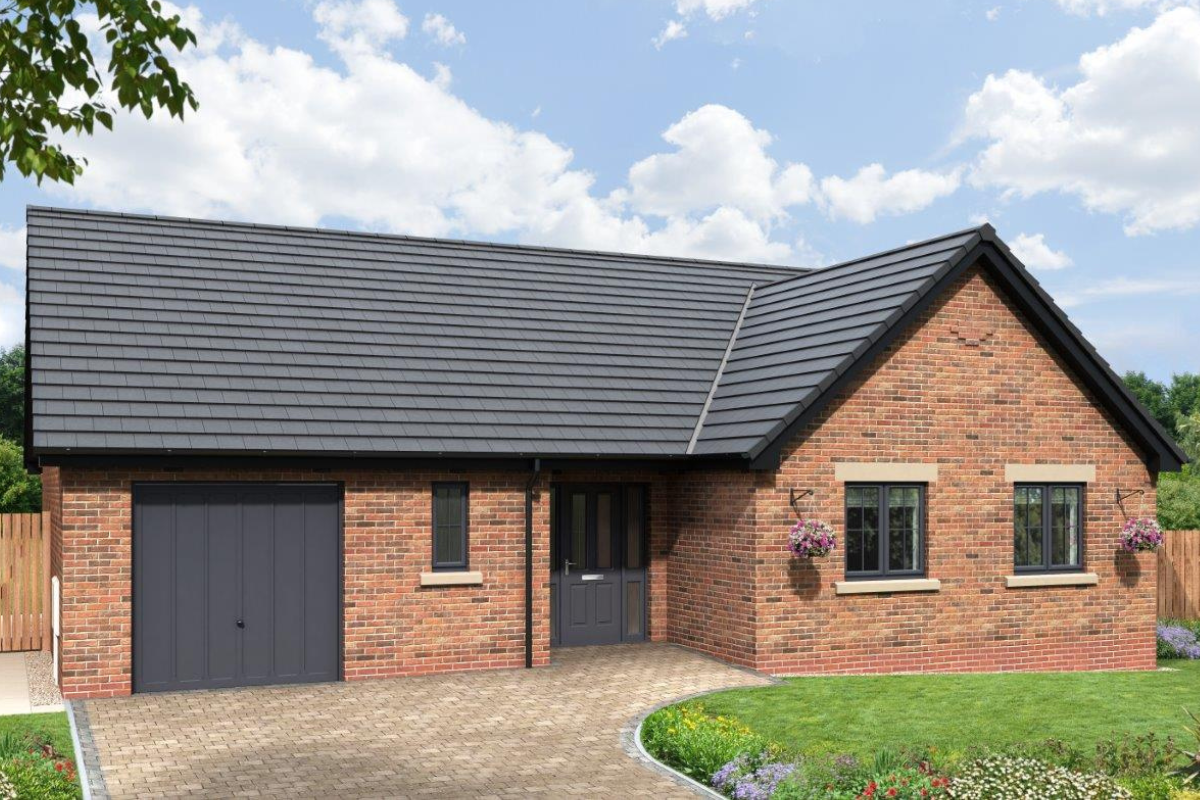
Why single-storey living is so appealing
Single-storey living is attractive because of the mobility benefits it offers, which is why it appeals to older buyers. But there are other advantages to single storey living for every stage of life. What are they?
- Everyday convenience. With everything on one level, daily tasks such as carrying shopping, doing laundry or moving between rooms are simple and practical.
- Better use of space. Modern bungalows often feature open-plan layouts, spacious principal bedrooms, flexible living areas and seamless access to outdoor spaces.
- Privacy and peace. Without rooms above, bungalows can offer a quieter, more relaxed living environment with a strong connection to the garden.
- Future-proof design. Single-storey living can adapt to changing needs, helping homeowners remain comfortable and independent for years to come.
Choosing the right new build bungalow type for your lifestyle
The best bungalow for you is one that suits both your current lifestyle and your long-term plans. Read on to discover what matters most.
Let’s have a quick look at the different styles and who they’re suited to.
Detached new build bungalows
Ideal for buyers prioritising:
- Privacy
- Large garden
- Additional parking
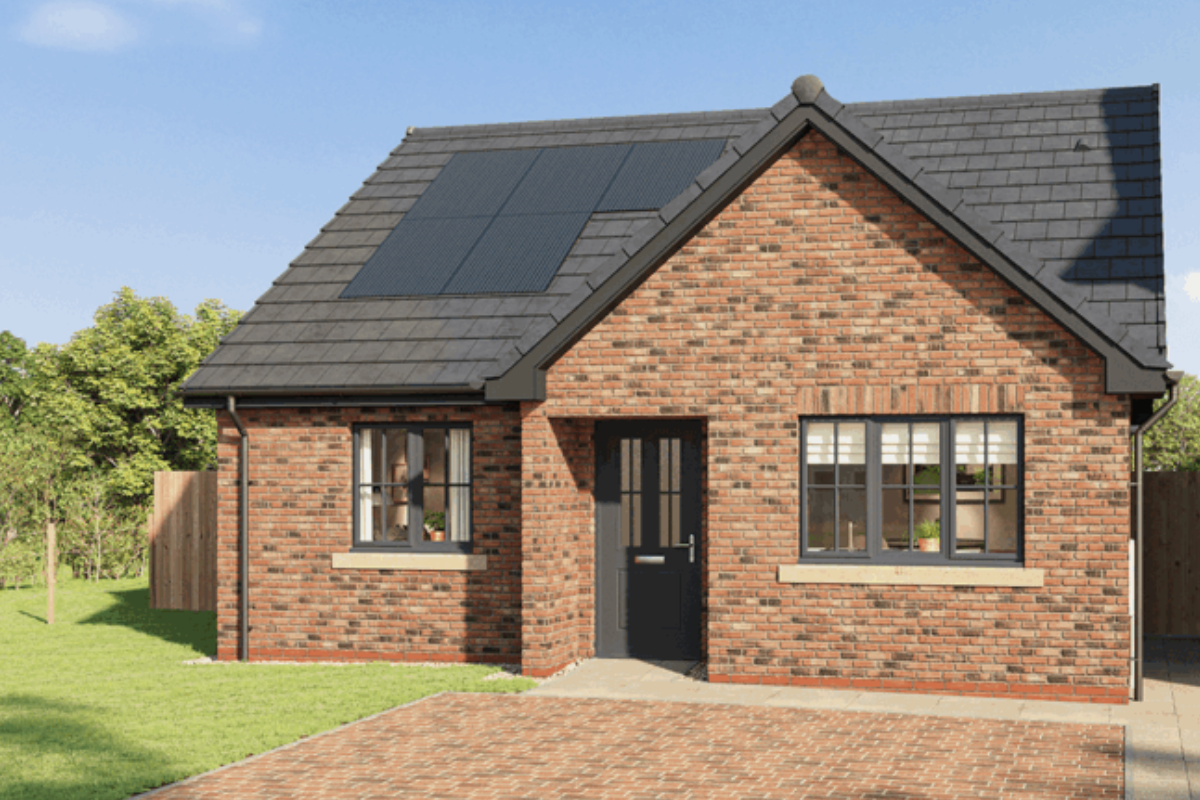
Semi-detached bungalows
A practical choice for buyers who want:
- Less external maintenance compared to detached homes
- Efficient use of space
- Excellent value
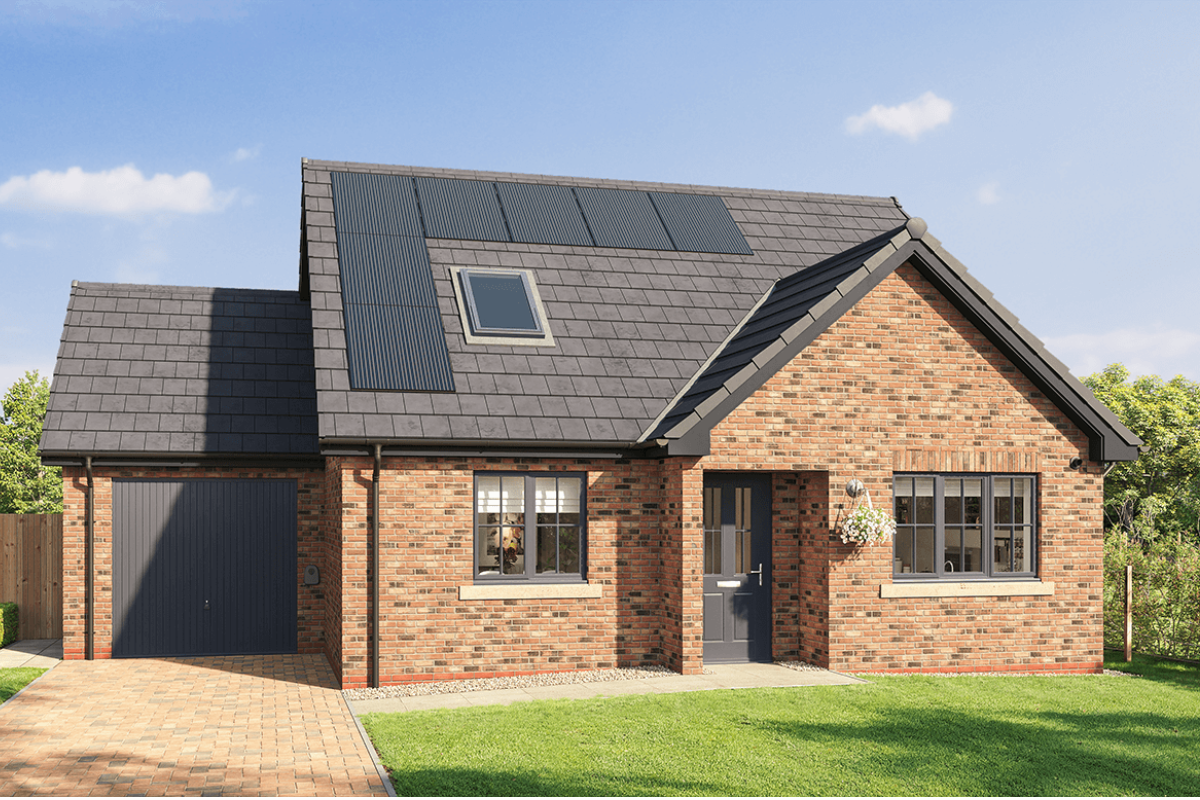
Dormer Bungalows
For buyers wanting a bungalow layout who also need:
- Extra rooms within the roof space
- Regular guest accommodation
- Home office opportunities
New build vs older bungalows
Older bungalows can offer character and generous plots, but new build bungalows provide benefits that can save time, money, and stress. This table helps us compare them.
| Feature | New Build Bungalow | Older Bungalow |
|---|---|---|
| Energy efficiency | Excellent | Varies significantly |
| Maintenance | Minimal | Often requires updates |
| Building standards | Current regulations | May need upgrades |
| Warranty protection | Typically included | Not available |
| Move-in readiness | Immediate | Potential renovation work |
One of the biggest differences between older and new build bungalows is the renovation and running costs. According to a report from the Home Builders Federation, new build homes can save homeowners around £420 per year, just on energy bills, compared to older properties.
Did you know?
The HBF report above reveals that around 85% of new-build homes achieve an EPC rating of A or B, compared with fewer than 5% of older properties.
New build bungalow FAQs
Why are bungalows so expensive?
Bungalows often cost more because they’re rare. There is a huge demand for bungalows, but hardly any get built anymore. NHBC data shows that new build bungalows, UK, made up 11% of new home registrations in 1990, but just 1% in 2024. Their single-storey layouts require larger plots of land than two-storey new build homes. This layout means housing developers can build fewer properties on a site. The limited supply, combined with growing demand for bungalows, leads to a higher price.
What defines a bungalow?
A bungalow is a single-storey home where all main living spaces are on one level. Bungalows are designed for convenience and accessibility.
What is a chalet bungalow?
A chalet bungalow has additional living space built into the roof, usually with skylights or gable windows.
What is a dormer bungalow?
Like a chalet bungalow, a dormer bungalow has rooms within the roof space, but features one or more dormer windows that project vertically from the roof. All dormer bungalows are designed around dormer extensions, whereas chalet bungalows may use dormers, skylights, gable windows, or a combination of all.
Where does the word “bungalow” come from?
“Bungalow” comes from the Hindi word banglā, meaning “of or belonging to Bengal”, referring to the single-storey houses common in that region. The word was adopted and brought to England during the colonisation of India.
Can you convert a bungalow into a house?
In some cases, you can extend bungalows upwards to create additional floors. However, successfully converting a bungalow depends on planning permission, structural suitability, and local development regulations.
Are bungalows colder than houses?
Not necessarily. Modern new build bungalows are built to high energy-efficiency standards. They’re typically well insulated and retain heat effectively when designed and constructed to current building regulations.
Do bungalows have lofts?
Many bungalows include loft spaces. In some cases, loft conversions may be possible, subject to planning permission and building regulations.
Do bungalows have stairs?
Traditional bungalows don’t have internal stairs. Some designs, such as chalet or dormer bungalows, may include stairs leading to additional upper-level rooms.
Where can I find new build bungalows for sale near me?
If you’re searching for “new build bungalows near me”, register your interest with local developers (such as Genesis Homes) to hear about new releases and upcoming phases as early as possible.
Find new build bungalows in Cumbria and the North West with Genesis Homes
Demand for bungalows shows no sign of slowing. Genesis Homes is proud to create thoughtfully designed, energy-efficient home developments that respond to this demand. We deliver high-quality and affordable homes, supporting communities across the North West.
Whether you’re searching for new build bungalows in Cumbria or new build bungalows in Lancashire, our developments are designed to offer comfort, convenience and long-term value. Explore our latest communities and discover a home that’s well suited to your lifestyle.